
Task Directory
IEA Wind TCP research tasks
The IEA Wind TCP carries out co-operative research, development and deployment projects called Tasks. Experts from member countries and sponsor members work together in each Task, and the results are published as technical reports, fact sheets and recommended practices for the whole wind energy community.
Participation in a Task is open to any organisation located in a member country or sponsor member of the IEA Wind TCP. The Tasks are grouped in six research areas, each followed by a Vice Chair.
The Atmosphere The Turbine The Plant and Grid Environmental Co-design Social Science Collaborative Communication Completed tasks

The Atmosphere
Vice Chairs: Stephan Barth and Ignacio Marti
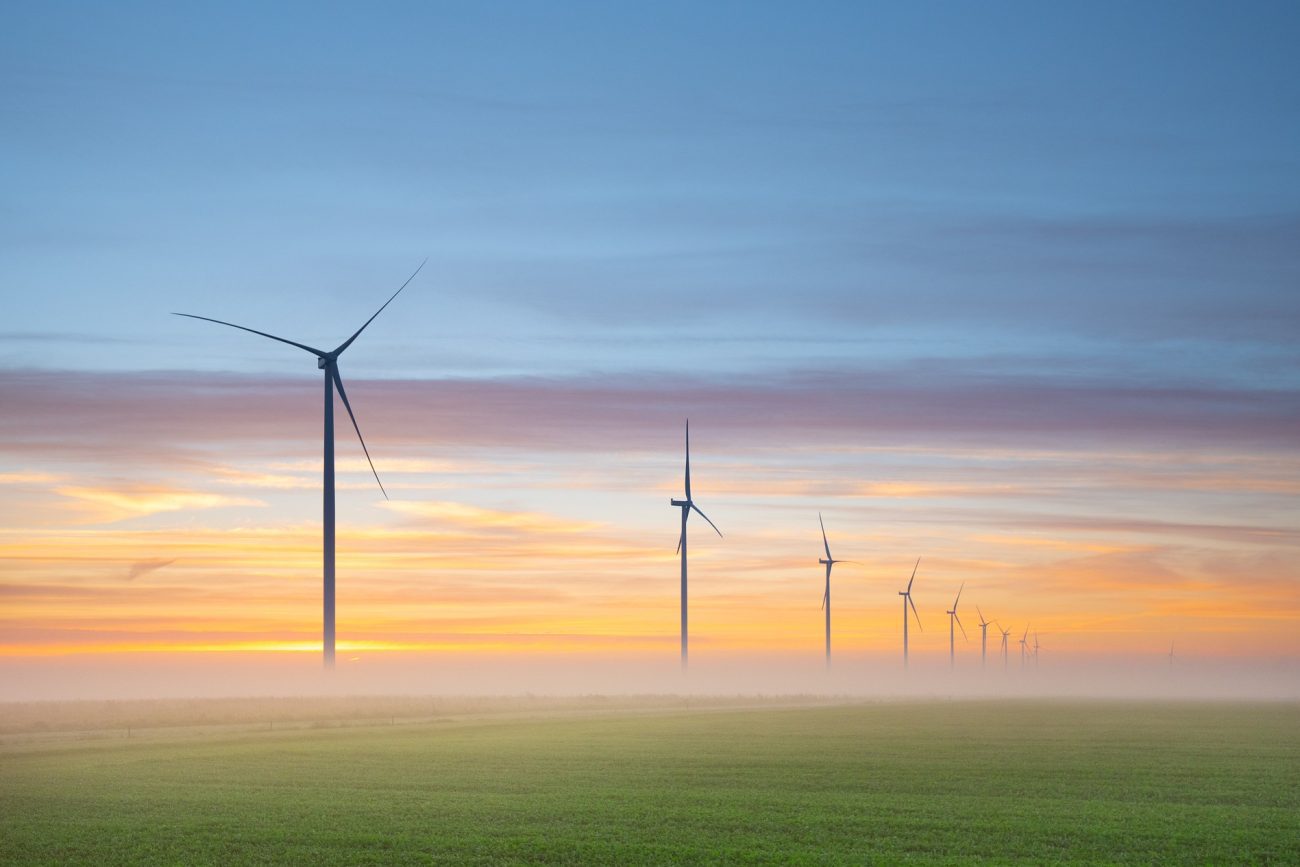
Task 44
Wind Farm Flow Control
Coordinates international research in the fields of wind farm flow control.
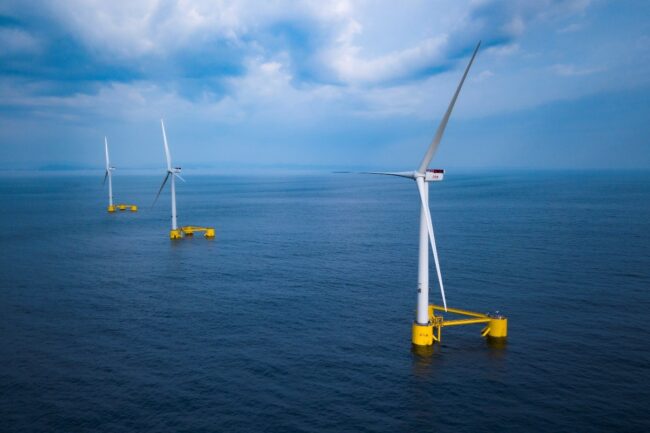
Task 49
Integrated Design of Floating Wind Arrays (IDeA)
Aims to accelerate the sustainable commercialisation of floating wind arrays.
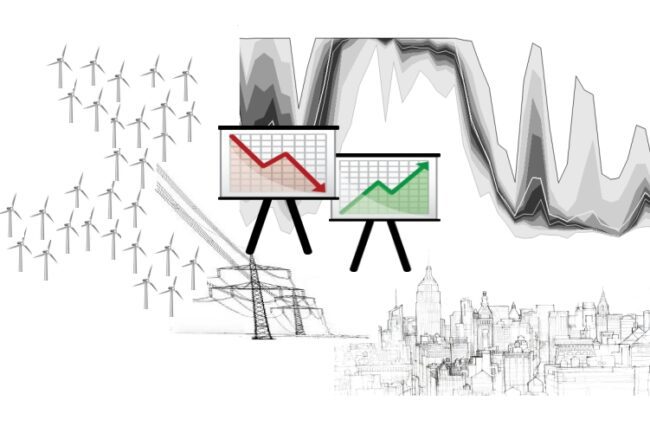
Task 51
Forecasting for the Weather Driven Energy System
Focuses on improving the value of renewable energy forecasts.
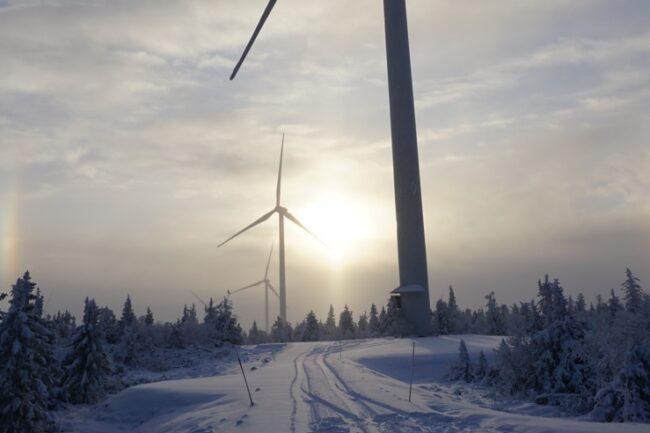
Task 54
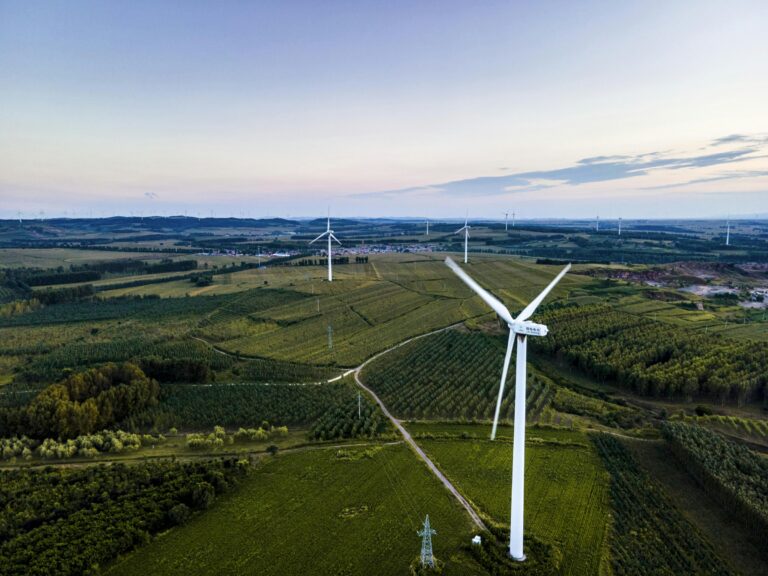
Cold Climate Wind Power
Explores solutions to the challenges of cold climate conditions.
Task 57
JAM: Joint Assessment of Models
Fosters communication, coordination and collaboration among worldwide experts and stakeholders.
The Turbine
Vice Chair: Ruud Oerlemans
Task 43
Wind Energy Digitalization
Aims to help bring about a revolution in the way technology is used in the wind energy industry.
Task 46
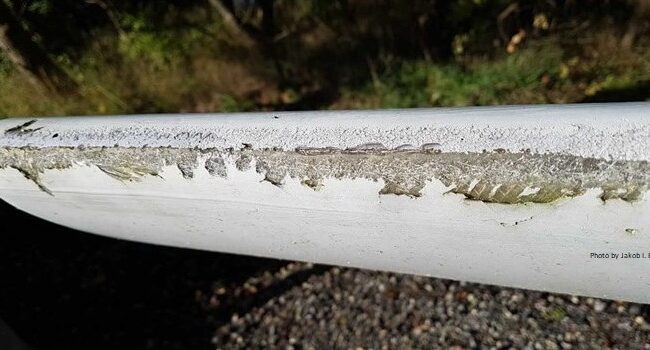
Erosion of Wind Turbine Blades
Aims to better understand the key technical challenges in blade erosion.
Task 47
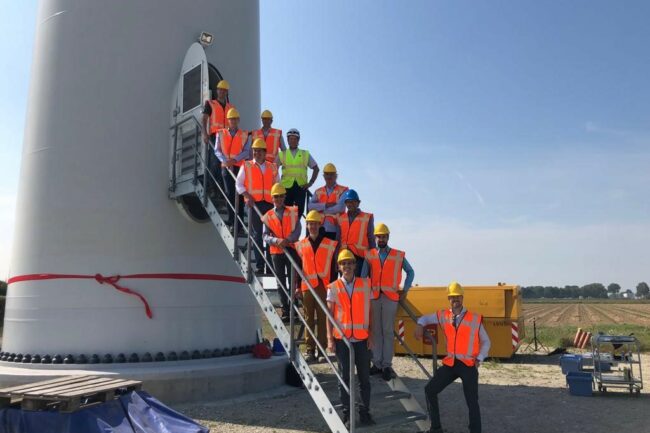
TURBINIA: Turbulent Inflow Innovative Aerodynamics
Aims to cooperate in the field of detailed aerodynamic measurements on MW scale wind turbines.
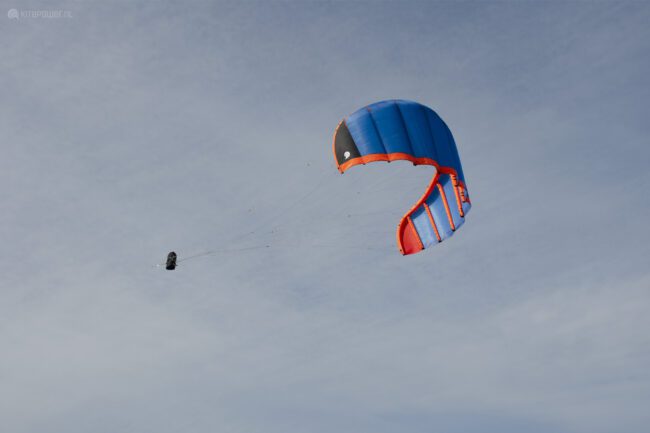
Task 48
Airborne Wind Energy
Aims to build a strong community that works together to identify and mitigate the barriers to the development and deployment of airborne wind energy systems.
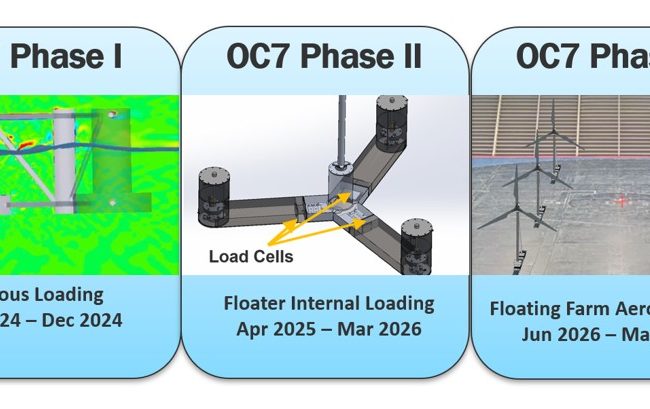
Task 56
OC7 Project: Offshore Code Comparison Collaboration 7
Evaluates and enhances the predictive accuracy of modelling tools used in the design of offshore wind systems.
The Plant and Grid
Vice Chairs: Ignacio Cruz and Andreas Gustafsson
Task 25/63
TWENTY-FIVE: Twenty Fifty Integration of Variable Energy
Provides information to facilitate the highest economically feasible wind energy penetration within electricity power systems worldwide.
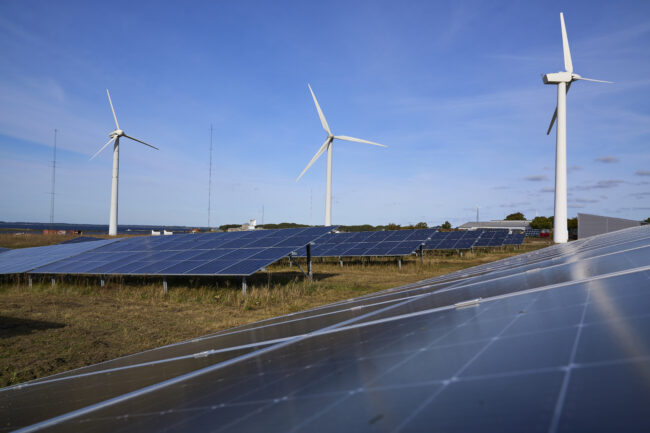
Task 41
Enabling Wind to Contribute to a Distributed Energy Future
Coordinates international research on distributed wind technology and its integration into future markets, and on procedures that support the cost-effective development of distributed wind.
Task 50
Hybrid Power Plants
Coordinates international research and development in the field of hybrid wind power plants.
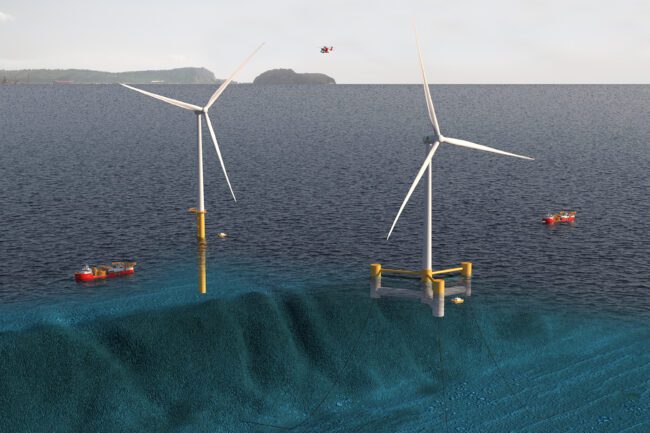
Task 55
REFWIND: Reference Wind Turbines and Plants
Coordinates international efforts to rigorously define reference wind turbines and plants.
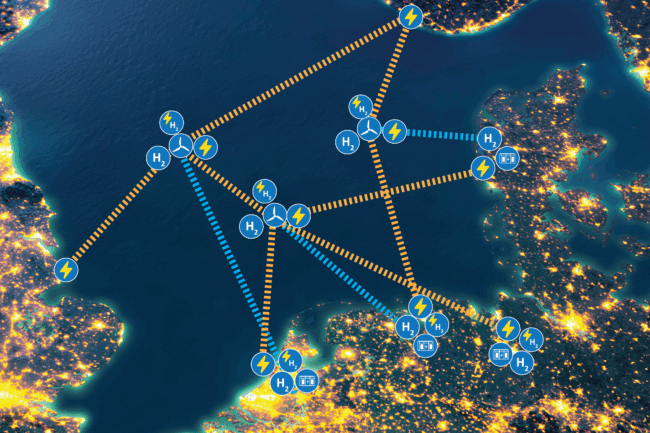
Task 58
Offshore Energy Hubs
Coordinates international research and development in the field of offshore energy hubs.
Task 61
VRE-H2: Variable Renewable Energy to Hydrogen
Advances the energy transition by examining the production of clean hydrogen from wind and solar resources.
Environmental Co-design
Vice Chair: Katja Maus
Task 42
Wind Turbine Lifetime Extension
Coordinates international research on assessing the remaining operational life of wind turbines near the end of their design life, and on strategies for extending their useful life.

Task 45
Recycling Wind Turbine Blades
Covers many facets of wind turbine blade recycling.
Task 59
WREN: Wind Energy and Environmental Research and Engagement Network
The leading international forum for a better understanding of environmental issues and demonstrated solutions for wildlife challenges.
Task 60
CYCLEWIND: Harmonised Life Cycle Assessment for Wind Power
Focuses on the environmental sustainability assessment of wind power from a life cycle perspective.
Collaborative Communication
Vice Chair: Ignacio Marti

Task 65
Wind SCOUT: Strategy, Collaboration and Outreach on Urgent Topics of Wind Energy Research
Shares knowledge on emerging topics through Topical Expert Meetings (TEMs) and develops IEA Wind TCP Recommended Practices, which have served as the basis for international and national standards.
Completed tasks
Since 1977, the IEA Wind TCP has completed more than 35 research tasks. Their reports remain available on the task pages and under Publications.
Show all completed tasks
- Task 52 Large-Scale Deployment of Wind Lidar supported international collaboration on wind lidar related topics and applications. Task page
- Task 40 Downwind Turbine Technology The objective of Task 40 is to coordinate international research and investigate the benefits of downwind turbine technology toward the reduction of levelized cost of energy (LCOE) and proliferation of onshore and offshore wind plants. Task page
- Task 39 Quiet Wind Turbine Technology exchanges learning and identifies and report best practices in the measurement and assessment of noise to accelerate the development and deployment of quiet wind turbine technology. Task page
- Task 37 Wind Energy Systems Engineering aims to apply a holistic systems engineering approach across the wind energy system, addressing changing expectations on performance, reliability, and cost. Task page
- Task 36 Forecasting for Wind Energy focuses on improving the value of wind energy forecasts to the wind industry. These challenges are represented in the Task’s three Work Packages. Task page
- Task 35 Full-Size Ground Testing for Wind Turbines and their Components formulates recommendations for full-size ground test procedures for rotor blades and nacelles and standardizes them across the test facilities around the world.
- Task 34 Working Together to Resolve the Environmental Effects of Wind Energy (WREN) is the leading international forum for facilitating the deployment of wind energy technology around the globe through a better understanding of environmental issues and demonstrated solutions for wildlife challenges. Task page
- Task 33 Reliability Data: Standardizing Wind Turbines Data Collection addressed the data collection and failure statistics in the wind energy sector with the objective of using reliability data to improve reliability and optimize O&M procedures of wind turbines.
- Task 32 LIDAR: Wind Lidar Systems for Wind Energy Deployment works to identify and mitigate barriers to the use of lidar for the following applications: site assessment, power performance, loads and control, and complex flow. Task page
- Task 31 Wakebench – International Wind farm Flow Modelling and Evaluation Framework The objective of Task 31 is to develop an international wind farm flow modeling and evaluation framework. Task page
- Task 30 Offshore Code Comparison Collaboration, Continued, with Correlation (OC5) identifies limitations of offshore wind design tools to accurately represent real-world behavior, makes needed improvements to industry design tools, and determines future research and development needs. Task page
- Task 29 Mexnext III: Analysis of Wind Tunnel Measurements and Improvements of Aerodynamic Models works on forming a complete understanding of wind turbine aerodynamics, to improve aerodynamic models used for wind turbine design. Task page
- Task 28 Social Acceptance of Wind Energy Projects serves as an international forum and working group involving Denmark, Germany, Ireland, Japan, Switzerland, and the United States. Task page
- Task 27 Small Wind Turbines in High Turbulence Sites Task page
- Task 26 Cost of Wind Energy seeks to provide information on the cost of wind energy to understand past and present trends and to anticipate future trends using consistent, transparent methodologies. Task page
- Task 24 Integration of Wind and Hydropower Systems conducted cooperative research concerning the generation, transmission, and economics of integrating wind and hydropower systems, and to provide a forum for information exchange.
- Task 23 Offshore Wind Technology and Deployment held workshops and developed research projects to increase understanding of issues and technologies to advance the development of wind energy systems offshore
- Task 22 Wind Energy Market Acceleration is aimed at conducting programs to assist in the development of new markets for wind power, especially in non-OECD countries.
- Task 21 Dynamic Models of Wind Farms for Power System Studies facilitated a coordinated effort to develop wind farm models suitable for use in combination with software packages for simulation and analysis of power system stability.
- Task 20 HAWT Aerodynamics and Models from Wind Tunnel Measurements was structured to transition aerodynamics data to accurate, robust wind turbine aerodynamics models for machine design and analysis.
- Task 19 Wind Energy in Cold Climates gathers and provides information about wind energy in cold climates, including project development, operation and maintenance (O&M), health, safety and environment (HSE), operational experiences, and recent research. Task page
- Task 18 Enhanced Field Rotor Aerodynamics Database (EFRAD) maintained the Task 14 database and extended the database with new aerodynamic measurements.
- Task 17 Data Base on Wind Characteristics provided wind energy planners, designers, and researchers with a source of actual wind field data observed in a wide range of different wind climates and terrain types.
- Task 16 Wind Turbine Round Robin Test Program validated wind turbine testing procedures, analyzed and resolved sources of discrepancies, and improved testing methods and procedures.
- Task 15 Annual Review of Progress in the Implementation of Wind Energy by the Member Countries of the IEA produced an annual overview of the progress in the commercial development of wind turbine systems in the IEA member countries.
- Task 14 Field Rotor Aerodynamics coordinated full-scale aerodynamic test programs on wind turbines to acquire the maximum experimental data at minimum cost.
- Task 13 Cooperation in the Development of Large-Scale Wind Systems furthered large wind turbine system (LWTS) development through cooperative action and exchange of information on national LWTS research, development, and demonstration programs.
- Task 12 Universal Wind Turbine for Experiments (UNIWEX) was a computer-controlled, two-bladed experimental wind turbine that studied aerodynamics, operational behavior, load spectra, and control strategies for different hub concepts.
- Task 11 Base Technology Information Exchange shared knowledge on emerging topics through Topical Expert Meetings (TEMs) and developed IEA Wind TCP Recommended Practices. The work has continued as Task 65 Wind SCOUT. Go to Task 65
- Task 9 Intensified Study of Wind Turbine Wake Effects improved the knowledge of aerodynamic interaction between wind turbines operating on a wind farm.
- Task 8 Study of Decentralized Applications for Wind Energy defined cost-effective models and techniques suitable for obtaining wind and load data necessary for decentralized wind energy conversion installations.
- Task 7 Study of Offshore WECS defined design criteria for an offshore wBcs prototype and outlined a plan for the design, construction, and operation of a possible joint prototype.
- Task 6 Study of Local Flow at Potential WECS Hill Sites measured the spatial characteristics of mean wind and turbulence over a typical WECS hill site and assessed the accuracy with which wind flow could be modeled physically and mathematically.
- Task 5 Study of Wake Effects Behind Single Turbines and in Wind Turbine Parks conducted theoretical and experimental modeling of turbine cluster performance by combining information on individual wakes with knowledge of machine performance in wake-type flows.
- Task 4 Investigation of Rotor Stressing and Smoothness of Operation of large-Scale Wind Energy Conversion Systems aimed to develop and test of LS WECS for rotor stressing while also assessing the technical, economic, and institutional requirements for their widespread use.
- Task 3 Integration of Wind Power into National Electricity Supply Systems developed a computer model for determining the economic value of wind energy to a large electric utility.
- Task 2 Evaluation of Wind Models for Wind Energy Siting verified selected atmospheric boundary layer numerical models by comparison with each other and with observed data and evaluated the usefulness of such models for wind turbine siting.
- Task 1 Environmental and Meteorological Aspects of Wind Energy Conversion Systems studied the environmental impact and operational safety of large-scale WECS, investigated the uncertainty in wind forecasting appropriate for the day-to-day operation of WECS, and recommended design methods for selected load cases.
Social Science
Vice Chair: Ryan Kilpatrick
Task 53
Wind Energy Economics
Evaluates cost and value primarily in the context of anticipated deep decarbonisation developments and emerging wind energy applications.
Visit Task 53
Task 62
BRIDGE: Social Science for Collaborative Wind Energy Planning and Participation
Brings together social science research on collaborative wind energy planning and public participation.
Visit Task 62